


Notizia

Is Filtered Water Good for Gut Health?
Are you looking for ways to improve your gut health? Water could be the simplest step forward to a healthier, happier gut microbiome.
Scopri di più
Enjoying the Best Flow from Your Gravity System
Understand how your gravity water system works, using the natural power of ceramic and activated carbon, and learn how to optimise the flow in your British Berkefeld system.
Scopri di più
I pericoli di bere dalle bottiglie d'acqua di...
Should you stop drinking water from plastic bottles? As water plays such a big part in our lives, it’s crucial to choose a safe water supply that provides you with the healthy minerals your body needs without potentially damaging your health by containing contaminants that can be harmful over time.
Scopri di più
The Best Water Filter Systems for Caravans and...
When spending time in your caravan or motorhome, having access to clean, great-tasting drinking water is essential for staying hydrated and enjoying your trip. Read our latest post to find out the solutions available.
Scopri di più
What's New for Summer at Doulton: Discover Our...
Take a look at the new arrivals at Doulton Water Filters. Our latest summer products are designed to help keep your water cooler for longer, so you can enjoy refreshing hydration throughout the warmer seasons and beyond.
Scopri di più
Introducing our new hero, the Doulton Kingfisher™
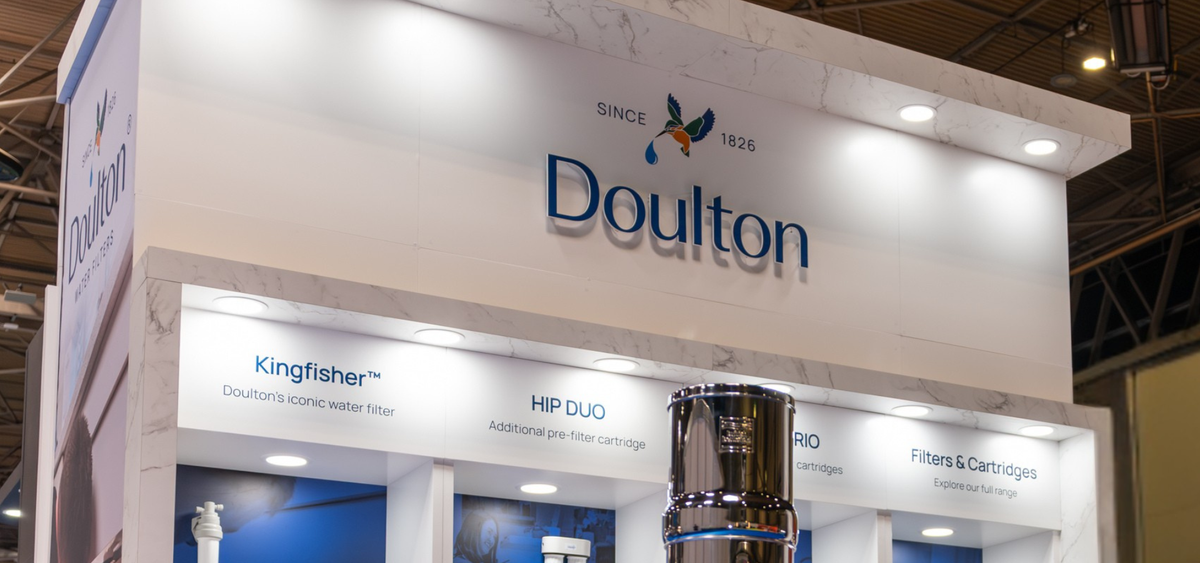
Introducing the new Doulton Kingfisher™ under sink water filter system! Designed for ease, the Doulton Kingfisher is engineered for greater peace of mind for you and your family. As our hero water filter system, the Kingfisher showcases patented technology that makes it easier to install, easier to maintain, and easier to add peace of mind when it comes to the quality of your everyday drinking water. So, whether you're looking for additional peace of mind when it comes to the quality of your drinking water, or simply looking for a more environmentally friendly way to enjoy water without plastic bottles - the Doulton Kingfisher Biotect Ultra ceramic filter is the perfect fit for families everywhere! Mighty filtration in the heart of your home Our most compact under sink solution yet, the Doulton Kingfisher is perfect for smaller kitchens, limited countertop space, and tight under sink spaces, while still providing built-in filtered water for the home. Hidden out of sight, the Kingfisher system also helps you save on plastic waste with an affordable swap from bottled water to natural ceramic water filter cartridges for better-tasting water. As standard, the Doulton Kingfisher system comes with our independently certified Biotect Ultra Filter to provide powerful protection against: Microplastics Common insecticides and herbicides Chorine and monochloramine Bacteria and cysts (including Giardia and Cryptosporidium) Heavy metals such as lead, cadmium and mercury By reducing up to 99.99% of common contaminants, it delivers safer and better-tasting water straight to your tap for the whole family to enjoy, without having to refill jugs or use any electricity to power! The Kingfisher: A Symbol of Trust The iconic Kingfisher is woven into our heritage and has been the trusted emblem of Doulton Water Filters for generations. Across history and cultures, the Kingfisher has carried meanings that mirror everything we stand for at Doulton. Known for only hunting in clear, unpolluted water, the Kingfisher relies on clarity to thrive. Which is why the Kingfisher is not only our symbol of trust but also now the namesake of our hero under sink water filter system. Hassle-free, quick installation Whether you’re a confident DIYer or prefer to call in a professional, installation is quick and stress-free. With an installation kit provided at no extra cost, you can be assured that your system will be fitted with WRAS approved fittings and tubing. This means that plumbers have everything they need on hand to install your system in under an hour (dependent on your existing plumbing set up). Effortless maintenance at your fingertips Once installed, the Kingfisher water filter system is simple to maintain. We recommend changing the ceramic filter element every six months to retain maximum effectiveness. And as the element uses minimal plastic, there is also less landfill, helping to reduce your carbon footprint even further. Our patented auto shut-off valve makes the Kingfisher system easy to clean or change filters. You do not need to turn off the valve and run the pipes dry before you remove the filter and casing – the water supply is automatically turned off when the filter is dismantled. To change the filter, simply place a cloth underneath the system, open your tap/faucet to relieve the pressure in the filter, and then twist the Kingfisher to the ‘V’ vent position to release it from its housing to access the ceramic filter inside. Simply unscrew it from the mount and change to your new filter! Designed to stand the test of time We’re proud to be a Made in Britain brand, with every ceramic filter element crafted at the heart of our operations in Staffordshire. Our products are quality checked at every stage of production, and our in-house experts conduct ongoing testing to ensure the exceptional quality that households around the world have enjoyed for 200 years. Independently tested and certified by NSF International and WRAS, the system meets WRAS requirements and NSF/ANSI Standards 42, 53, 401 and 372. This means the system is certified for material safety as well as reduction of particular contaminants. You can find out more about contaminant reduction here. Ready for effortless on-tap water protection for your family? Introduce our hero ceramic water filter to the heart of your home today. Shop the Doulton Kingfisher now or discover more here.
Scopri di più
Doulton Water Filters to Showcase at InstallerSHOW 2026!
The InstallerSHOW is the UK’s leading trade event for the heat, water, and energy sectors, and this year Doulton Water Filters are proud to be a part of it! Taking place at the NEC in Birmingham from 23rd to the 25th June 2026, the InstallerSHOW is the perfect place for installers, plumbers and more to discover the Doulton difference for themselves! What to Expect from Doulton Water Filters at the Show While full details of our stand are yet to be officially confirmed, visitors can expect: Live product demonstrations showcasing the performance of our under sink water filter range and the science behind our ceramic water filters Expert advice on selecting the right filtration solutions for different installations Insights into sustainability, including how filtration can reduce environmental impact Networking opportunities directly with our team Trade shows like InstallerSHOW are a vital platform for us to engage directly with installers and plumbers, helping bridge the gap between product innovation and real-world application. A Growing Focus on Water Quality As concerns around water quality and environmental impact continue to grow, installers and plumbers are increasingly looking for reliable filtration and treatment solutions to meet customer demand. Events like the InstallerSHOW highlight how water filtration is no longer a niche add-on but a core part of modern plumbing and building services. Therefore, if you’re attending or planning to attend, let us know and we can book you a spot with our team to discuss our solutions! Otherwise, we will see you at the show, where you’re more than welcome to drop by and discover our water filter solutions for yourself.
Scopri di più
Falsi, copie e contraffazioni: il mio filtro per...
How to check if your Doulton or British Berkefeld Filter element is authentic? Read our blog post to discover how and the importance of buying from credible sources.
Scopri di più
Can a Netflix-Inspired Plastic Detox Really Work?
Concerns about plastic exposure and its effects on human health have risen sharply recently. As uncertainty around the long-term implications continues, a growing body of research is emerging, increasingly highlighting the risks associated with the microplastics and nanoplastics we encounter and often consume throughout our daily lives. Netflix's most recent documentary, “Plastic Detox", features a fascinating real-world experiment that has brought the issue into an even sharper focus. For couples trying to conceive, this topic is particularly relevant, as emerging research suggests environmental factors, including everyday plastics, could be playing a much bigger role in fertility than previously thought. Plastics Aren’t Just an Environmental Concern. They also pose a significant risk to human health. Many plastics contain chemicals such as phthalates, which make them flexible, and bisphenols like BPA, which make them rigid. These substances are known as endocrine disruptors, meaning they can interfere with the body’s hormonal system, affecting key functions like fertility, metabolism, and growth and development. What makes this particularly concerning is how easily these chemicals can enter the body through the food and drink we consume, via skin absorption (which can account for up to 60% of exposure), and even through the air we breathe in the form of microplastics. The Bigger Picture: What Research Shows Scientific studies back up the concerns: A landmark Danish study found a 50% decline in sperm count over 50 years Newer data suggests the decline is accelerating Exposure to phthalates in infancy is linked to future fertility issues Over 50 chemicals act as “obesogens”, contributing to weight gain BPA may affect multiple generations, not just one There’s also emerging evidence linking plastic chemicals to: Cardiovascular disease ADHD and autism Hormone-related cancers The Netflix Study: Can Reducing Plastics Improve Fertility? Six couples who had been struggling to conceive due to "unexplained infertility" after medical testing took part in a three-month experiment. The hypothesis was simple: If we reduce exposure to plastic chemicals, can fertility improve? Participants were tested for: Bisphenol A (BPA) Phthalates Sperm count and concentration (male partners) Since sperm takes around 70 days to regenerate, the study tracked changes over a 3-month period to see whether lifestyle adjustments made a measurable difference. Real Results from Real Couples The outcomes were striking and, for some of the couples featured, life-changing: Monique and Bruno (2 years trying)Bruno (a construction worker) changed aspects of his home and work environment and saw an 84% increase in sperm concentration. The couple later had their first child and are expecting another in 2026. Julie and Eric (2.5 years trying)Despite Eric being classified as subfertile, the couple successfully conceived. Their baby was born in early 2026. Katie and Tim (10 years trying)No improvement was observed in this case. A reminder that fertility is complex and multi-factorial. Darby and Jesse (22 months trying)Initially showed extremely high BPA and phthalate levels. After just 6 weeks: Darby’s BPA dropped by 95% Both partners saw significant chemical reductions They later conceived and welcomed a baby in 2026. Overall, 50% of couples featured conceived after the study, and after 6 weeks, all of the couples showed a decrease in BPA of 61.5%, making it almost non-detectable. Phthalates also declined by 6.25%. Along with fertility, a third of the participants saw a lower BMI; 60% reported higher energy levels; 80% reported increased sleep quality; and 86% said they planned to keep the lifestyle changes. What Changed? (The “Plastic Detox” Approach) Rather than eliminating everything, participants focused on reducing the largest sources of exposure in their everyday lives. Key Changes: Avoiding plastic food and drink packaging Switching to natural, fragrance-free personal care products Reducing exposure to synthetic fabrics Avoiding thermal receipts (a hidden BPA source) Replacing common household items with plastic-free alternatives Common Plastic Sources in Our Homes: Of course, plastic regulations vary around the world. The Plastic Detox featured couples based in America. So, it's important to note, while the UK and EU follow frameworks like REACH (Registration, Evaluation, Authorisation, and Restriction of Chemicals), with 1,100 chemicals banned in EU cosmetics compared to just 9 in the US, there are still common places where plastics can be found throughout our homes. Such items can include: Plastic bottles and food packaging Tea bags (many contain plastic fibres) Coffee pods Shampoo and toiletry bottles Cleaning products Synthetic clothing (polyester, nylon) Plastic chopping boards Children’s toys Fragrances and cosmetics How to Reduce Exposure to Microplastics Around Your Home: You don’t need to overhaul your entire lifestyle overnight to reduce plastic exposure. In fact, small, consistent swaps can make a meaningful difference. A wonderful place to start is in the kitchen, where plastics are often most heavily used. Switching to glass or stainless steel containers for food storage, choosing wooden or bamboo chopping boards, and avoiding plastic kettles or containers where possible can all help lower your exposure to harmful chemicals. Consider investing in a water filter system to further reduce your consumption. This is particularly important if you and your family frequently use plastic bottles instead of tap water to lower microplastics in water. It’s also worth looking at your daily routine. Many personal care products contain hidden plastics or synthetic fragrances, so opting for fragrance-free toiletries and products in plastic-free or refillable packaging is a simple but effective change. Clothing is another often-overlooked source of microplastics, so where possible, choosing natural fibres like cotton or wool can help reduce both personal exposure and environmental impact. Try not to buy polyester or waterproof clothing where possible, as these may also contain avoidable plastic particles and chemicals. Finally, being aware of less obvious sources of plastic can go a long way. Even everyday items like receipts often contain BPA, so limiting how often you handle them is a good habit to build. When food shopping, choosing loose fruit and vegetables instead of pre-packaged options can significantly cut down plastic use. Even something as simple as checking whether your tea bags are plastic-free can contribute to a lower overall exposure. While these tips may sound a little overwhelming, with plastic appearing to be present in almost everything we touch, it's still important to note that, like everything in life, smaller, more manageable changes are still beneficial for longer-term goals. Will You Reduce Your Plastic Exposure? The biggest takeaway from the 'Plastic Detox' isn’t perfection; it’s awareness. For UK families, especially those trying to conceive, reducing plastic exposure could be a simple but powerful step toward better health. While fertility is influenced by many factors, this study suggests something encouraging: Everyday choices, even small ones, may have a bigger impact than we think.
Scopri di più