


News

Electrolytes and it’s function on hydration
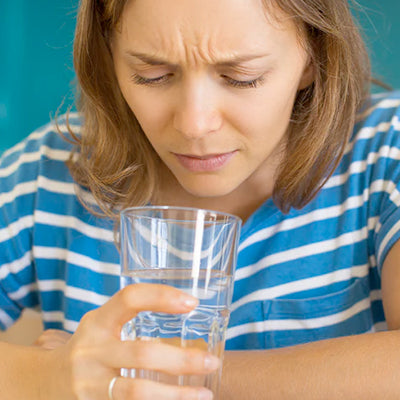
The Significance of Electrolytes in Hydration Electrolytes are crucial minerals that maintain hydration, facilitate muscular function, and regulate key activities such as nerve transmission and blood pressure. How can one determine the necessity for electrolytes? Is water consumption sufficient or is supplementation with electrolyte beverages or tablets necessary?Doulton Water Filters has been delivering premium drinking water solutions for more than 200 years. We recognise the significance of hydration and the interaction of water with the essential minerals required by your body. This tutorial will comprehensively address electrolytes, methods for obtaining them naturally, and the impact of filtered water on their efficacy. What Are Electrolytes? Electrolytes are minerals that possess an electrical charge when solubilised in water. They are essential for fluid balance, muscle contraction, and the maintenance of appropriate neurone activity.Essential Electrolytes and Their Functions: Electrolyte Function Natural Sources Sodium (Na⁺) Maintains fluid balance and supports nerve signals Salt, seafood, cheese Potassium (K⁺) Regulates heartbeat and muscle function Bananas, spinach, potatoes Calcium (Ca²⁺) Strengthens bones and helps muscle contractions Dairy, leafy greens, almonds Magnesium (Mg²⁺) Aids energy production and muscle relaxation Nuts, whole grains, dark chocolate Chloride (Cl⁻) Works with sodium to balance fluids Table salt, seaweed, olives Phosphate (PO₄³⁻) Helps store energy and repair tissues Meat, fish, dairy Bicarbonate (HCO₃⁻) Regulates pH levels Produced naturally by the body What Are the Benefits of Consuming Electrolytes? Electrolytes are crucial for: Maintaining hydration and preventing dehydration Facilitating nerve and muscle function Regulating blood pressure and heart rate Transporting nutrients into cells and expelling waste Consuming electrolyte-rich fluids is especially advantageous during excessive perspiration, post-illness recovery, or rigorous physical activity.Is Water Consumption Sufficient for Electrolyte Balance?Does Water Alone Supply Electrolytes? Consuming water maintains hydration; but unless sourced from a natural mineral source, it generally lacks substantial electrolytes. Filtered water eliminates contaminants while preserving essential minerals, rendering it an optimal choice for hydration. Situations Requiring Additional Electrolytes You could require supplementary electrolytes if you: Engage in physical activity for more than one hour Exhibit vomiting or diarrhoea Operate under hot conditions and sweat profusely Have a medical condition that impacts electrolyte balance How Can You Determine the Necessity for Electrolytes?Indicators of Electrolyte Imbalance: low or high electrolyte levels may result in the following Fatigue or weakness Muscle cramps or spasms Headaches and dizziness Nausea or vomiting Irregular heartbeat Should these symptoms continue, seek the advice of a healthcare expert for a blood examination.What Are the Optimal Sources of Electrolytes? Foods Rich in Natural Electrolytes Bananas – High in potassiumSpinach – Packed with magnesium and calciumMilk – Excellent for calcium, sodium, and potassiumAvocados – A great source of potassium and magnesiumSalt – A simple way to get sodium, but use in moderationElectrolyte Beverages: Which Is Most Effective? Coconut Water – A natural alternative to sports drinksSports Drinks – Convenient but often high in sugarElectrolyte Powders & Tablets – Quick and effective, especially after intense activity Do Electrolyte Tablets Work Better in Filtered Water? Filtered Water vs Tap Water for ElectrolytesElectrolyte tablets are equally effective in filtered water as they are in tap water. The minerals required for electrolyte function are preserved. Filtered water provides an additional benefit: it has superior taste. This indicates a higher likelihood of enough water consumption, hence providing sufficient hydration and good absorption of electrolytes.Doulton Water Filters specialises in premium filtration that eliminates pollutants while preserving necessary minerals, guaranteeing a fresh and advantageous sip.Are Electrolyte Supplements Necessary? A well-balanced diet supplies all necessary electrolytes for the majority of individuals. Supplementation may be beneficial if you: ✔ Participate in prolonged physical activity✔ Have a medical condition that impacts electrolyte levels✔ Suffer from dehydration due to illnessWho Are the Experts Behind This Advice? At Doulton Water Filters, we’re passionate about clean, great-tasting water. Our team of water filtration experts and engineers has been perfecting water solutions for over 200 years. Learn more about the people behind our mission here. It’s not just us, we learn every day, have a look at the references at the bottom of this article for more information. Maintaining a Healthy Electrolyte Balance Electrolytes are essential for hydration, muscular function, and general health.Consuming water is vital; nevertheless, to get optimal hydration, it may be necessary to incorporate natural dietary sources and periodic supplements. Filtered water promotes hydration by enhancing palatability, hence making electrolyte intake more pleasurable.Maintain Hydration with Doulton Water Filters Pure, palatable water promotes increased consumption, maintaining bodily balance. Explore how Doulton Water Filters might improve your hydration regimen. Discover our filters todayGlossary Electrolytes: facilitate the balance of bodily fluidsHydration: The process of assimilating water to sustain bodily processes.pH Balance: The body's acidity and alkalinity levels are partially regulated by electrolytes.Sodium (Na⁺): is a crucial electrolyte that aids in water retention and facilitates nerve function.Potassium (K⁺): is an electrolyte crucial for cardiac and muscular function.Filtration: The procedure of eliminating pollutants from water while preserving vital minerals Hydration is about more than just drinking water—it's about ensuring your body has the right balance of electrolytes to function at its best. Whether through diet, supplementation, or simply drinking more filtered water, small changes can make a big difference. Stay informed, stay hydrated, and let Doulton Water Filters help you make every sip count. References: https://www.americansportandfitness.com/blogs/fitness-blog/electrolytes-understanding-their-importance-and-role-in-the-body https://cured.com/lifestyle/455295-electrolytes https://www.healthline.com/nutrition/electrolytes https://powerampsports.com/collections/electrolytes?srsltid=AfmBOorYwiKhWMqz6q6loOo6Hkf_LaW15h7nkPGcupoQkTuxDAracxTI
Learn more
Why does my dog not drink water from...
Every pet owner wants the best for their dog, we are after all a nation of dog lovers. We look after their exercise and make sure they have plenty of nutritious food. But have you ever considered the quality of the water your dog is drinking? Just like us, dogs benefit greatly from clean water. If your dog prefers to drink rainwater over tap water, it's because they're avoiding some of the chemicals often present in unfiltered tap water. We know how cold it can be opening the back door in wintertime, and we believe installing a high-quality water filter in your home will give your dog access to fresh water that they’ll love. Here’s why a water filter is a must-have for your dog. Chlorine-Free Water for Sensitive Noses Dogs have an extraordinary sense of smell, it’s far more developed than humans. The scent of chlorine in tap water can be overwhelming for them, it makes the water less appealing. Chlorine, while necessary for making water safe for human consumption, can have a harsh chemical odour that may deter your dog from drinking enough water. A water filter will effectively reduce chlorine from our tap water and provide your dog with odour-free water, encouraging them to stay hydrated and keeping the back door shut in winter! Avoid Fluoride Exposure Fluoride is commonly added to municipal water supplies to promote dental health in humans, but for dogs, fluoride consumption isn't necessary and may even be harmful in large amounts. Excess fluoride can build up in a dog's system. This leads to health complications including potential damage to bones and teeth particularly in older age. There is a reason they try and avoid it... You can choose a water filter that reduces fluoride content, helping to ensure your dog is only drinking water that supports their elder age. Lead-Free Water Lead contamination in water systems is a growing concern, particularly in older homes with outdated plumbing. Even trace amounts of lead can be harmful to pets, potentially causing serious long-term health issues such as kidney damage and neurological problems. Water filters can help reduce the amount of lead in your water, take out the lead and help your dog live longer. Tastier Water Means Better Hydration Just as humans tend to drink more water when it tastes fresh and clean, dogs are more likely to drink adequate amounts of water when it’s free from off-putting odours and tastes. Many dogs go towards rainwater for their intake because it's free of pollutants and human additional chemicals. Dogs are relying on mother nature’s water filtration system. A water filter reduces the contaminants in your dog’s drinking water to become much closer to the natural sources they instinctively seek out. Finding the Right Filter for Your Home Here at Doulton we can offer two options of water filter we feel can help you and your dog: under-counter water filters or countertop water filters. Both have their merits and your choice will depend on what fits best with your lifestyle and your pet’s needs. An under-counter water filter is an excellent choice if you want a system that works behind the scenes. Installed discreetly beneath your sink, this type of filter ensures that your three way tap has some delicious filtered water. It’s a fantastic solution for larger households where frequent water use occurs, as you won't have to refill or manually engage the system. Whether it's for cooking, making your tea, or filling up your dog’s bowl, every drop is treated. This system allows for uninterrupted convenience and a constant flow of clean, fresh water. It’s perfect if you're after a 'set it and forget it' solution and want to guarantee that your dog has filtered water available without any hassle. On the other hand, a countertop system is more flexible, ideal for those who may not want or need a permanent installation. These filters give you control over when and where you filter the water as they can become portable. While it might require more effort (you’ll need to refill it regularly), it’s a great option for smaller spaces, or if you rent and can't make modifications to the plumbing. A countertop system can be moved around easily—so it’s ideal if you’d like to filter water in multiple locations or even take it with you to other homes. It’s a more hands-on option but offers a balance of flexibility and control. And since you only filter the water when you need it, it might suit those looking for occasional use, especially in less busy households or for single-pet homes. Supporting Overall Health and Longevity Clean water isn't just about hydration—it's essential to your dog's overall health. Poor-quality water can carry contaminants that compromise your pet's immune system or lead to gastrointestinal issues. By providing filtered water, you're giving your dog the best possible foundation for a healthy and active life. From maintaining healthy skin and coat to promoting kidney and urinary tract health, access to clean, lead-free, chlorine-free, and fluoride-free water helps support your dog’s long-term wellness. Switch to a water filter This article isn't just written from science, yes some of it is. But it's written from dog owning experience. Your dog relies on you to provide the best care possible. We've actively switched from normal water to water filters (no surprise we know) and have seen dog's go back to their bowl. Installing a water filter in your home is an easy yet impactful way to improve their daily hydration and overall health. By reducing chlorine, fluoride and lead from your tap water, you're ensuring your dog enjoys the same high-quality water that benefits you. Glossary: Chlorine: A chemical commonly added to municipal water supplies to disinfect it, ensuring it is free of harmful bacteria. It can, however, leave an unpleasant odour and taste in drinking water. Fluoride: A mineral added to tap water in many areas to help prevent tooth decay in humans. In excessive amounts, it can be harmful to pets. Lead: A toxic heavy metal that can sometimes leach into water supplies from old plumbing, causing a range of health problems if ingested over time. Under-Counter Filter: A water filter system installed beneath the sink, filtering all water directly from the tap. Countertop System: A water filter that sits on the kitchen counter, usually requiring manual refilling or temporary connection to the tap. References: DoggySaurus - "Why Do Dogs Like Drinking Rainwater?" Dog Advisory Council - "Is Rainwater Safe for Dogs to Drink?" https://dogadvisorycouncil.com/rainwater-dogs/ FeelGoodHHS - "Can Dogs Drink Rain Water: Pros and Cons for Your Pet's Hydration" https://feelgoodhhs.com/dogs-drink-rain-water/ Hepper - "Is Tap Water Safe for Dogs? Vet Reviewed Facts & Concerns" https://www.hepper.com/is-tap-water-safe-for-dogs/
Learn more
Congratulations to John and Tom
Congratulations to John and Tom for achieving the Lean Competency System (LCS) Level 1b qualification through the successful delivery of projects that drive improvements in quality, cost, delivery, and people development. This certification is part of our Lean and Continuous Improvement (CI) training and coaching portfolio, recognised globally for Lean competence. Aligned with Cardiff University’s Lean Competency System at levels 1a and 1b, this qualification has been the gold standard in Lean education for over a decade. On receiving his award, Tom said ‘Thank you to Doulton® Water Filters for the opportunity to achieve the Lean competency qualification. I’m pleased to have earned the award, and the training has already helped my team and me apply lean thinking to our processes. It’s improved our problem-solving and communication, allowing us to reduce waste, improve flow, and add value to the business and customers. I look forward to promoting lean thinking among colleagues and fostering a culture of continuous improvement.’ Everyone at Doulton Water Filters would like to congratulate Tom and John for their hard work in achieving their certifications. Great work!
Learn more
Hydration is huge, just ask your urine
Did you know that dehydration occurs when your body doesn’t have enough water? That's why staying well-hydrated is so important for your overall health. Surprisingly, one of the simplest ways to gauge your hydration status is by checking the colour of your urine. This method was first defined by Lawrence E. Armstrong and others in 1994 (1). The urine colour scale they developed includes eight different shades, ranging from very pale yellow to brownish green, indicating the concentration of your urine from most diluted to most concentrated.Water plays a crucial role in thermoregulation and all of the body's metabolic functions. It is continuously lost through urine, faeces, breath, and sweat, making it essential to replenish this loss regularly through water, fluids, and diet to maintain a proper water balance. Since our metabolism produces only a small amount of water—about 250 mL per day—drinking water is the most significant source of fluid intake. On average, about 61% of our daily water intake comes from water, while the remaining less than 40% comes from other beverages and the water content in food (2).Next time you make a quick trip to the toilet, take a moment to check the colour of your urine. If it looks like you might be dehydrated, reach for a glass of filtered water from Doulton®. References: Armstrong, L. E., Maresh, C. M., Castellani, J. W., Bergeron, M. F., Kenefick, R. W., LaGasse, K. E., & Riebe, D. (1994). Urinary indices of hydration status. International Journal of Sport Nutrition and Exercise Metabolism, 4(3), 265-279. Bandara, T., & Fernando, G. H. S. (2023). Proper hydration is central to the health and well-being of children. Sri Lanka Journal of Child Health, 52(3), 336-341.
Learn more
Reverse Osmosis filters can be high maintenance compared...
Sometimes in life, something can be too good to be true, maybe too perfect. Let’s look at reverse osmosis filters, they are seen to be the pinnacle of water filtration. But there are some deeper issues that need looking at before you make that purchase decision. Understanding RO Filters Reverse osmosis filters work by forcing water through a semi-permeable membrane, which removes a wide range of contaminants. The process is highly effective, leading many to believe that RO systems are the best option for home water filtration. What are the drawbacks with RO Filters Despite their effectiveness, RO filters do have some issues that consumers need to be wary of:. High Maintenance Costs RO systems require you to keep on top of their maintenance, this includes the replacement of membranes, filters and other components. Which, over time adds up making RO filters an expensive option for long-term use. Many RO systems require electricity to power booster pumps to provide an acceptable water delivery flow rate. Water Wastage In today’s environmentally aware world, we have to look at what we consume and a downside of RO systems is the amount of water they waste. For every gallon of filtered water, several gallons can be flushed away. This inefficiency not only raises water bills but also has a negative environmental impact. Be careful if you are on a water metre, it may hit your pocket. Stripping of Beneficial Minerals While RO filters remove contaminants, they also take away essential health related minerals such as calcium and magnesium, which are important for our wellness. Drinking water without minerals, over time, can lead to deficiencies and related health issues. Introducing Ceramic Filters Ceramic filters, on the other hand, offer a practical and effective solution without the drawbacks associated with RO systems. These filters use natural materials to remove contaminants while retaining beneficial minerals. Benefits of Ceramic Filters Cost-Effective Maintenance Ceramic filters are known for their durability and long lifespan. They often require less frequent replacement compared to RO membranes and can be cleaned to restore flow, making them a more cost-effective option in the long run. Minimal Water Waste Unlike RO systems, ceramic filters do not waste water during the filtration process. This efficiency makes them a more environmentally friendly choice, using less water is always the better option. Retention of Essential Minerals Ceramic filters retain those beneficial minerals in our drinking water, keep healthy with a ceramic filter. How do you decide? It's crucial for consumers to be well-informed about their water filtration choices. Ceramic filters, like those offered by Doulton, provide a sustainable and health-conscious alternative to RO systems. With no power required, lower maintenance costs, minimal water waste, and the retention of essential minerals, ceramic filters are a smart choice for anyone looking to improve their water quality. We believe reverse osmosis filters have their place, but in day to day life they do have some issues. If you are looking to save water, reduce the cost of living and keep those all important minerals in your drinking water, go ceramic.
Learn more
Hydration for Athletic Performance: Beyond the Basics
Hydration for Athletic Performance: Beyond the Basics In the realm of athletic endeavour, hydration transcends mere water intake; it's a pivotal component of performance, recovery, and endurance. Yet, the depth of its influence remains underappreciated. This discourse aims to elucidate the nuances of hydration management, empowering athletes to optimise their physiological potential. The Essence of Hydration Water serves as the cornerstone of cellular function, facilitating metabolic processes, nutrient transport, and thermal regulation. For athletes, the stakes are elevated. Dehydration impairs muscular endurance, diminishes strength, and hinders coordination, casting a shadow over performance. Conversely, optimal hydration catalyses peak physical output, enhancing agility, stamina, and recovery. Electrolytic Equilibrium Electrolytes, the conductive ions facilitating nerve impulses and muscle contractions, demand careful management in the athlete's hydration strategy. Sodium, potassium, and magnesium, lost through perspiration, must be replenished to maintain electrolytic balance, ensuring neuromuscular precision and fluid homeostasis. Pre-Exercise Hydration Tactics Anticipatory hydration, the strategic fluid intake before exertion, primes the body for the forthcoming physical stress. It involves consuming sufficient fluids to ensure hydration at the onset of activity, avoiding the detrimental effects of starting in a deficit. Hydration status can be preliminarily assessed through urine colour, aiming for a pale straw hue as an indicator of proper hydration. Sustaining Hydration Mid-Activity During exercise, maintaining hydration involves more than sipping water; it's an art of balancing fluid intake with loss. Recognising thirst as a delayed signal, athletes should adopt a proactive hydration plan, tailored to the intensity of the activity and environmental conditions. Isotonic sports drinks can offer a dual benefit of fluid and electrolyte replenishment during prolonged or high-intensity sessions. Post-Exercise Rehydration and Recovery Recovery hydration focuses on restoring fluid balance and facilitating muscle repair. This phase not only involves replacing lost fluids but also entails a strategic intake of carbohydrates and proteins, often through recovery beverages, to aid in the repair and replenishment of glycogen and muscle tissue. Athlete-Specific Hydration Considerations Athletes contending with extreme environments or rigorous training schedules face unique hydration challenges. Acclimatisation strategies, individualised hydration plans, and periodic hydration assessments become indispensable tools in their arsenal. Adapting Strategies to Individual Needs It's crucial for athletes to personalise their hydration strategies based on their own sweat rates, exercise intensity, duration, and environmental conditions, consulting with a sports nutritionist or healthcare provider for tailored advice. How does this look for different sports? Here are the consequences of poor hydration in sport: Sport Effect of Dehydration Consequences of Dehydration Remedial Actions for Hydration Endurance Running Decreased stamina and performance Increased risk of heatstroke and muscle cramps Pre-hydrate with electrolyte-enhanced water, sip fluids regularly during runs, rehydrate post-run focusing on electrolyte replacement Cycling Reduced muscle power Higher fatigue levels, potential for dizziness Drink 500ml of water 2 hours before cycling, use hydration packs during cycling, and consume electrolyte-rich fluids post-cycling Swimming Impaired thermoregulation Risk of hypothermia (in cold water) Drink water or sports drinks before and after swimming sessions, even if not feeling thirsty during swim Football (Soccer) Decreased coordination and agility Increased risk of injuries and slower reaction times Hydrate well before the game, take advantage of breaks for sipping water or isotonic drinks, focus on post-game recovery with fluids and snacks high in electrolytes Tennis Compromised concentration Decreased accuracy and service power Ensure regular intake of fluids during breaks, consider wearing hydration packs during practice sessions, prioritise rehydration with electrolyte solutions post-match Golf Cognitive effects impacting focus Poor decision-making and accuracy Hydrate throughout the round, preferably with water or diluted sports drinks, avoid alcohol and caffeine on the course Gymnastics Reduced flexibility and strength Increased risk of falls and injuries Keep a water bottle handy during training, pre-hydrate before sessions, and focus on restoring fluid balance afterwards This conceptual framework provides a starting point for understanding the complex relationship between hydration and athletic performance across different sports. For sport-specific hydration advice, athletes should consult sports nutrition experts and rely on current research from reputable sports science resources. Hydration, with its profound impact on athletic performance, demands a nuanced approach, transcending simplistic water intake guidelines. By mastering the intricacies of hydration management, athletes can unlock their true potential, fostering excellence in performance and resilience in recovery.
Learn more
Doulton® Water Filters Steps Up to Help Brixham...
In the face of a recent Cryptosporidium outbreak in Brixham, Doulton® Water Filters has jumped into action to support the local community. Our team headed down to Brixham and handed out free Household Filter Kits (HFK) outside Torbay Fruit Supplies, ensuring residents and business owners continued to have access to safe and clean tap water without needing to boil it. This effort is part of our ongoing mission to make sure everyone has access to safe drinking water. The outbreak has caused a lot of concern, with the government issuing boil water notices to 16,000 properties in Brixham and two people ending up in the hospital. Cryptosporidium can cause nasty symptoms like diarrhea, nausea, vomiting, fever, and loss of appetite, and it can take between two and ten days for symptoms to show up after exposure. We at Doulton® Water Filters who also own the brand British Berkefeld®, based in Stoke-on-Trent, couldn't just stand by. After hearing that Southwest Water (SWW) detected Cryptosporidium in the Alston and Hillhead areas, we knew we had to help. Our Household Filter Kits offered an ideal solution, eliminating the need for residents to boil tap water to ensure its safety for drinking. The response from the community has been incredible. Local resident Morgan Ring shared his gratitude, saying, "I just wanted to say a big thank you, especially to Carl Mitchell, for all the help you’ve given us in Brixham. Your donation of free home filtration kits has been amazing. Many of us had lost faith in Southwest Water’s ability to provide safe drinking water. This home kit gives my family and me the peace of mind that we can drink tap water without worrying about getting sick again." Morgan added, "Being disabled and having two children with special needs, your system has been a lifesaver. I’m even looking into getting one of your stainless-steel filtration systems for long-term peace of mind." Our gesture of goodwill didn’t stop there. We also made sure numerous local care homes like Frensham House had what they needed to give their elderly residents safe water with their medication. Tim Evans, our Global Sales Manager, was there to hand over HFKs to Saluja, the Registered Manager of one care home (as seen in the picture). But that's not all. Our timely intervention has also helped local businesses save their tourist season. With our filter kits ensuring safer drinking water, restaurants, cafes, and other businesses that rely on tourism have been able to keep their doors open and maintain customer confidence and survive. This has been crucial in keeping their local economy afloat during this challenging time. We’re thrilled that our efforts to distribute Household Filter Kits were such a success, showing our commitment to community welfare and public health. At Doulton® and British Berkefeld®, we’re all about providing accessible and effective water filtration solutions, especially when they’re needed most. For more information about Doulton® Water Filters and our products, go to our shop.
Learn more
Combat cryptosporidium after the recent outbreak
The recent health advisory in Devon due to a waterborne outbreak highlights the importance of access to safe drinking water. With the detection of cryptosporidium, a parasite causing diarrheal symptoms, residents have been advised to boil water as a precautionary measure. This situation underscores the need for reliable water treatment solutions that can safeguard public health. Understanding Cryptosporidium and Its Impact Cryptosporidium is a microscopic parasite that poses significant risks to water safety and public health. When present in water systems, it can lead to cryptosporidiosis, a condition marked by diarrhoea, stomach cramps, and dehydration. This parasite is notably resilient and can survive outside the human body for long periods, making it a challenging contaminant to manage. The risk is more pronounced in individuals with weakened immune systems, where the symptoms can be severe and prolonged. Understanding the nature of cryptosporidium and its potential for causing widespread health issues underscores the importance of having effective water filtration systems, like those provided by Doulton®, which are designed to reduce the presence of such pathogens effectively, ensuring the safety and well-being of communities. The Role of Doulton® Ceramic Filters Doulton®'s advanced ceramic water filters offer a robust solution in times of water safety concerns. The effectiveness of our filters is evident as they are engineered to reduce harmful pathogens such as cryptosporidium. This capability ensures that even in the face of potential contamination, the integrity of drinking water can be maintained, supporting the well-being of all users. Response and Recommendations In response to the outbreak, it is crucial for residents to follow the guidelines issued by health authorities, including boiling water and using bottled water provided at designated distribution points. For long-term security, investing in a Doulton® water filter provides an additional layer of protection, reducing the dependency on emergency measures. A stark reminder The incident in Devon is a stark reminder of the vulnerabilities in public water systems and the importance of proactive measures. Doulton® water filters represent a practical and effective solution to ensure the safety and taste of drinking water in any situation By choosing Doulton®, users can trust in a product that combines historical expertise with modern technology to deliver superior water quality consistently.
Learn more
Water: The Ultimate Brain Booster
We delve into the crucial role that hydration plays in enhancing cognitive functions and overall brain health. With the human brain comprising approximately 75% water, its significance in maintaining optimal brain function cannot be overstated. This article explores the intricate relationship between water intake and cognitive abilities, offering insights and practical advice to harness the benefits of hydration for mental clarity, memory, concentration, and mood regulation. The Essence of Hydration in Brain Health Water is fundamental to various physiological processes in the brain, including the support of chemical reactions, the delivery of nutrients, and the removal of toxins. Dehydration, even in mild forms, can impair these processes, leading to decreased cognitive performance, increased perception of task difficulty, mood alterations, and heightened anxiety. The Impact of Dehydration on Cognitive Performance Research has demonstrated that dehydration can significantly affect cognitive functions such as focus, alertness, and short-term memory. For instance, a study in the "Journal of Nutrition" (Armstrong et al., 2012) found that mild dehydration can lead to alterations in mood, increased perception of task difficulty, and significant reductions in concentration and memory performance. Enhancing Cognitive Functions Through Hydration Benefits of Adequate Hydration Improved Concentration and Alertness: Staying well-hydrated enhances the brain's ability to maintain focus and alertness, facilitating better performance in tasks requiring sustained attention. Enhanced Memory Function: Adequate water intake supports memory function, aiding in the consolidation and retrieval of information. Mood Regulation: Hydration has been linked to mood regulation, with proper water intake associated with reduced risk of depression and anxiety. Neuroprotection: Water supports overall brain health and may contribute to the prevention of neurodegenerative diseases by facilitating the removal of toxins and reducing oxidative stress. Practical Hydration Tips for Optimal Brain Function To leverage the cognitive benefits of hydration, it's essential to integrate effective hydration practices into daily routines. Here are some tips to ensure adequate hydration for enhanced brain performance: Monitor Your Intake: Aim for approximately 2-3 liter's of water daily, adjusting based on activity level, climate, and individual needs. Incorporate Water-Rich Foods: Include fruits and vegetables with high water content in your diet, such as cucumbers, celery, oranges, and watermelons. Limit Diuretics: Reduce consumption of caffeine and alcohol, particularly in the hours leading up to bedtime, to prevent dehydration. Use Technology Aids: Consider using apps or smart water bottles that track your water intake and remind you to drink regularly. The relationship between hydration and cognitive function is profound. By understanding the vital role water plays in brain health and adopting practical hydration strategies, individuals can significantly enhance their cognitive abilities, mood, and overall mental performance. Water, indeed, proves to be an indispensable natural resource for boosting brain function and maintaining mental well-being. For those looking to dive deeper into the subject, further reading on the physiological impacts of hydration on the brain and additional hydration tips can be explored in academic journals and health publications.
Learn more